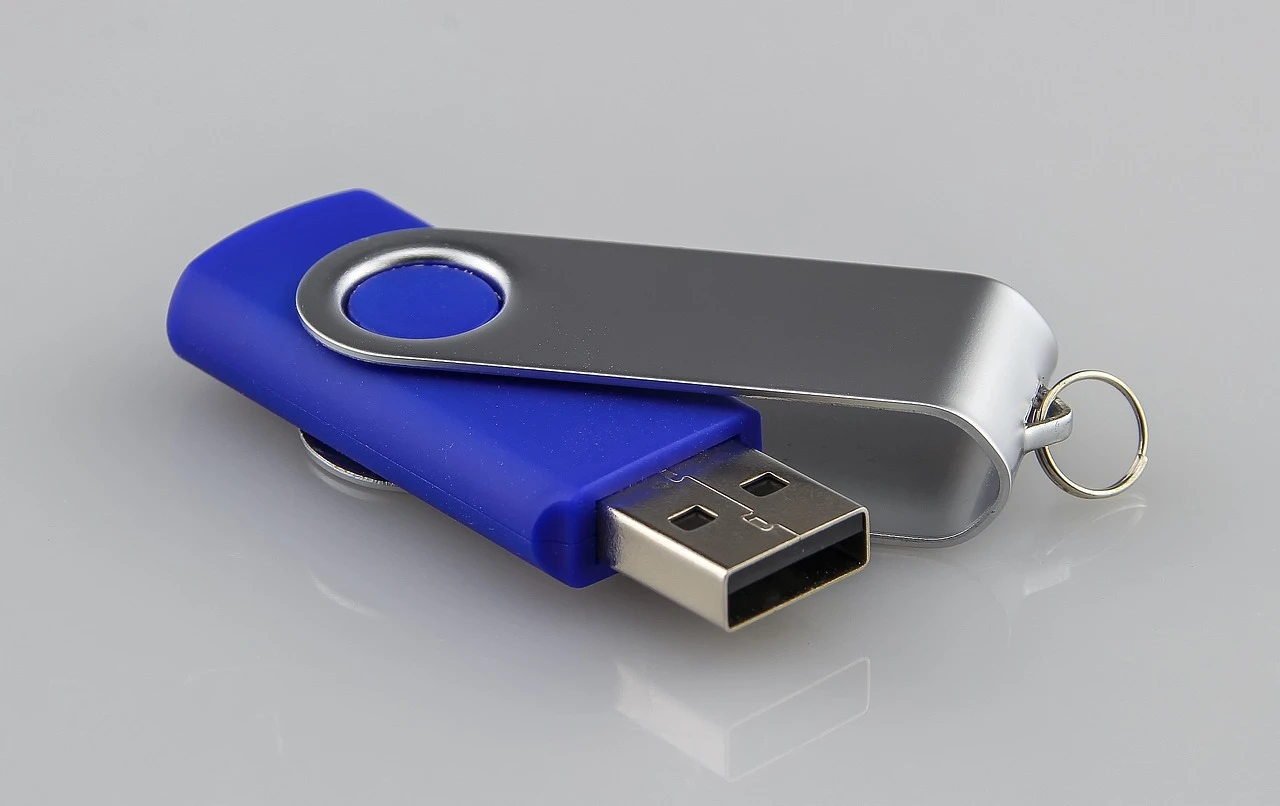
Data loss is a common problem that can strike anyone, from casual users to professionals. Whether it’s a deleted document, a corrupted folder, or a failed hard drive, losing essential files can be devastating. Thankfully, data recovery tools and methods have made it easier than ever to retrieve lost files. This lifehack will help you understand the causes of data loss, available recovery solutions, and how to prevent such situations in the future.
Understanding the Causes of Data Loss

Data loss occurs for various reasons, and understanding these causes can help you take preventive measures. Accidental deletion is the most frequent issue, often happening when files are permanently removed from the recycle bin or trash. Hardware failures, such as hard drive crashes, account for a significant share of data loss cases, often caused by aging components or power surges. Other causes include malware attacks, system crashes, and improper shutdowns, which can corrupt critical files.
Recognizing these risks is the first step in creating a safer digital environment and minimizing the chance of data loss.
Steps for Quick Data Recovery
When you realize you’ve lost important files, act quickly. First, check temporary storage areas like the recycle bin or trash. Many deleted files remain there for a limited period, allowing easy recovery. If the file isn’t there, avoid using the storage device where it was located. Writing new data to the device could overwrite the lost file, making recovery more challenging.
Using your operating system’s recovery features is a good starting point. Windows offers “Previous Versions” or File History, while macOS users can rely on “Time Machine” backups. These tools are free and effective if previously configured.
Leveraging Data Recovery Software
When built-in solutions aren’t sufficient, data recovery software can help retrieve lost files. Programs like EaseUS, Recuva, and Stellar Data Recovery are highly regarded for their ability to recover files from various devices, including hard drives, memory cards, and USB drives. These tools scan storage devices for recoverable data and present it in an accessible format.
Free versions of these programs are suitable for basic recovery tasks, while premium editions offer advanced features such as recovery from corrupted partitions or encrypted files. Always follow the software’s instructions carefully to maximize recovery success.
When to Seek Professional Help
In complex cases, such as severe hardware damage or deeply corrupted files, professional data recovery services may be necessary. These specialists use advanced tools to extract data from physically damaged drives or rebuild corrupted files. While these services can be expensive, they are often worth the investment for critical or sentimental data.
When choosing a provider, ensure they have a strong reputation and certifications in data recovery. Some services even offer evaluations to determine whether recovery is possible before charging you.
Preventing Future Data Loss

The best way to deal with data loss is to prevent it from happening in the first place. Regular backups are essential. Use external hard drives, cloud storage solutions like Google Drive or iCloud, or automated backup services to safeguard your files.
Additionally, protect your system with robust antivirus software to ward off malware. Avoid risky downloads and ensure your hardware is maintained correctly to prevent physical failures. By implementing these practices, you can reduce the risk of data loss significantly.
Recovering lost data may seem daunting, but with the right approach and tools, it’s often possible to retrieve your files. By understanding common causes, using effective recovery solutions, and prioritizing preventive measures, you can protect your data and minimize the impact of unexpected losses. Data recovery doesn’t have to be a nightmare—equipped with the right knowledge, you can navigate these challenges confidently.

Leave a Reply