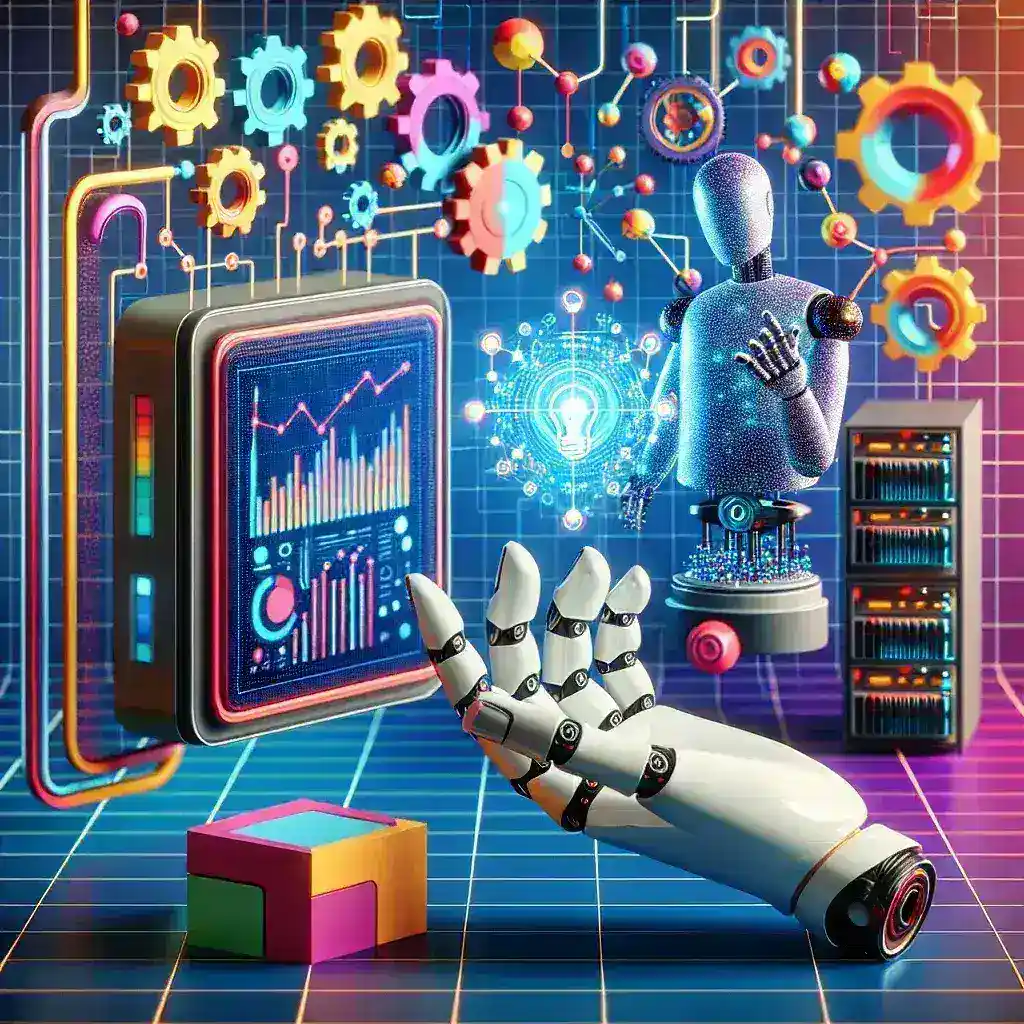
The Evolution of Marketing Automation in the Digital Age
The landscape of digital marketing has undergone a dramatic transformation over the past decade, with AI-driven marketing automation software emerging as the cornerstone of modern marketing strategies. As businesses grapple with increasingly complex customer journeys and the need for personalized experiences at scale, artificial intelligence has become the driving force behind sophisticated automation platforms that can analyze, predict, and execute marketing campaigns with unprecedented precision.
Marketing automation has evolved from simple email scheduling tools to comprehensive platforms that integrate machine learning algorithms, predictive analytics, and real-time decision-making capabilities. This evolution represents a fundamental shift in how businesses approach customer engagement, moving from reactive, one-size-fits-all strategies to proactive, hyper-personalized marketing ecosystems.
Understanding AI-Powered Marketing Automation
At its core, AI-driven marketing automation software combines the efficiency of automated processes with the intelligence of machine learning algorithms. These platforms can process vast amounts of customer data, identify patterns and trends, and make real-time decisions about content delivery, timing, and channel selection without human intervention.
The technology leverages various AI components including natural language processing (NLP), computer vision, predictive modeling, and deep learning algorithms. These components work together to create a comprehensive understanding of customer behavior, preferences, and likelihood to convert, enabling marketers to deliver the right message to the right person at the optimal moment.
Key Components of AI Marketing Automation
- Behavioral Analytics: Advanced algorithms track and analyze user interactions across multiple touchpoints
- Predictive Scoring: Machine learning models assign probability scores for various customer actions
- Dynamic Content Generation: AI creates personalized content variations based on user profiles and preferences
- Intelligent Segmentation: Automated audience clustering based on behavioral patterns and characteristics
- Cross-Channel Orchestration: Coordinated messaging across email, social media, web, and mobile platforms
Transformative Benefits for Modern Businesses
The implementation of AI-driven marketing automation software delivers measurable benefits that extend far beyond traditional automation capabilities. Organizations utilizing these advanced platforms report significant improvements in key performance metrics, including conversion rates, customer lifetime value, and operational efficiency.
Enhanced Personalization at Scale
One of the most compelling advantages of AI-powered automation is the ability to deliver personalized experiences to thousands or millions of customers simultaneously. Traditional personalization efforts often required manual segmentation and content creation, limiting scalability. AI algorithms can analyze individual customer data points in real-time, creating unique experiences for each user based on their specific preferences, behavior patterns, and stage in the customer journey.
Improved Customer Journey Optimization
AI-driven platforms excel at mapping and optimizing complex customer journeys across multiple touchpoints. By analyzing historical data and real-time interactions, these systems can identify the most effective paths to conversion and automatically adjust marketing strategies to guide customers along optimal routes. This capability is particularly valuable in today’s omnichannel environment where customers interact with brands through numerous platforms and devices.
Data-Driven Decision Making
The integration of artificial intelligence transforms marketing from an art based on intuition to a science driven by data. These platforms provide actionable insights derived from comprehensive analysis of customer behavior, campaign performance, and market trends. Marketers can make informed decisions based on predictive analytics rather than relying solely on historical performance or gut feelings.
Essential Features and Capabilities
Modern AI-driven marketing automation platforms incorporate a wide range of sophisticated features designed to streamline marketing operations and maximize campaign effectiveness. Understanding these capabilities is crucial for organizations evaluating automation solutions.
Advanced Lead Scoring and Nurturing
AI algorithms continuously evaluate lead quality based on multiple factors including demographic information, behavioral data, engagement patterns, and external signals. This dynamic scoring system enables sales teams to prioritize high-value prospects while automated nurturing sequences guide lower-scoring leads through the conversion funnel.
Intelligent Content Optimization
Machine learning algorithms analyze content performance across different audience segments and automatically optimize messaging, imagery, and calls-to-action for maximum engagement. This includes A/B testing at scale, where the system continuously experiments with different variations and automatically implements winning combinations.
Predictive Analytics and Forecasting
Advanced platforms incorporate predictive modeling capabilities that forecast customer behavior, campaign performance, and revenue outcomes. These insights enable proactive strategy adjustments and help organizations allocate resources more effectively across different marketing channels and initiatives.
Implementation Strategies for Success
Successfully deploying AI-driven marketing automation requires careful planning, strategic thinking, and a phased approach that allows organizations to gradually build capabilities while demonstrating value. The implementation process should align with broader business objectives and existing technology infrastructure.
Assessment and Planning Phase
The foundation of successful automation implementation begins with a comprehensive assessment of current marketing processes, data quality, and organizational readiness. This evaluation should identify specific pain points that automation can address, define success metrics, and establish realistic timelines for deployment and optimization.
Organizations must also evaluate their data infrastructure to ensure it can support AI-driven automation requirements. This includes assessing data quality, integration capabilities, and compliance with privacy regulations such as GDPR and CCPA.
Technology Integration and Data Management
Effective AI marketing automation requires seamless integration with existing systems including customer relationship management (CRM) platforms, content management systems, and analytics tools. The quality and accessibility of customer data directly impact the effectiveness of AI algorithms, making data governance and management critical success factors.
Establishing proper data hygiene practices, implementing robust security measures, and creating standardized data collection processes are essential prerequisites for maximizing automation platform performance.
Industry Applications and Use Cases
AI-driven marketing automation has proven effective across diverse industries, with each sector leveraging the technology to address specific challenges and opportunities. Understanding industry-specific applications helps organizations identify relevant use cases and implementation strategies.
E-commerce and Retail
Retail organizations utilize AI automation for personalized product recommendations, abandoned cart recovery, dynamic pricing strategies, and inventory-based marketing campaigns. These applications have demonstrated significant impact on conversion rates and average order values, with some retailers reporting increases of 20-30% in key performance metrics.
B2B Technology and Services
Business-to-business organizations leverage automation for lead qualification, account-based marketing, sales enablement, and customer onboarding processes. The complex nature of B2B sales cycles makes AI-driven automation particularly valuable for nurturing prospects over extended periods while maintaining engagement and relevance.
Healthcare and Financial Services
Highly regulated industries benefit from automation capabilities that ensure compliance while delivering personalized customer experiences. These sectors utilize AI for risk assessment, customer education, appointment scheduling, and regulatory communication management.
Measuring Success and ROI
Quantifying the impact of AI-driven marketing automation requires establishing clear metrics and measurement frameworks that align with business objectives. Successful organizations track both operational efficiency gains and revenue-generating outcomes to demonstrate platform value.
Key Performance Indicators
Essential metrics for evaluating automation success include conversion rate improvements, cost per acquisition reduction, customer lifetime value increases, and operational efficiency gains. Advanced platforms provide comprehensive analytics dashboards that track these metrics in real-time and provide actionable insights for optimization.
Long-term Value Assessment
Beyond immediate performance improvements, organizations should evaluate the strategic value of automation capabilities including scalability, competitive advantage, and organizational learning. These factors contribute to long-term success and justify continued investment in platform development and optimization.
Future Trends and Innovations
The future of AI-driven marketing automation promises even more sophisticated capabilities as technology continues to advance. Emerging trends include conversational AI integration, augmented reality experiences, blockchain-based customer data management, and quantum computing applications.
Organizations that stay current with these developments and continuously evolve their automation strategies will maintain competitive advantages in increasingly crowded markets. The key to future success lies in balancing technological innovation with human creativity and strategic thinking.
Conclusion: Embracing the AI-Driven Marketing Revolution
AI-driven marketing automation software represents a fundamental shift in how organizations approach customer engagement and revenue generation. The technology offers unprecedented opportunities for personalization, efficiency, and growth while enabling marketers to focus on strategic initiatives rather than tactical execution.
Success with AI automation requires commitment to data quality, strategic planning, and continuous optimization. Organizations that embrace these platforms and invest in proper implementation will be well-positioned to thrive in the evolving digital marketing landscape. As artificial intelligence continues to advance, the gap between early adopters and laggards will likely widen, making the decision to implement AI-driven automation not just an opportunity but a necessity for sustainable growth.
The future belongs to organizations that can effectively combine human creativity with artificial intelligence capabilities, creating marketing experiences that are both highly personalized and genuinely valuable to customers. AI-driven marketing automation software provides the foundation for this transformation, enabling businesses to build deeper customer relationships while achieving ambitious growth objectives.

Leave a Reply