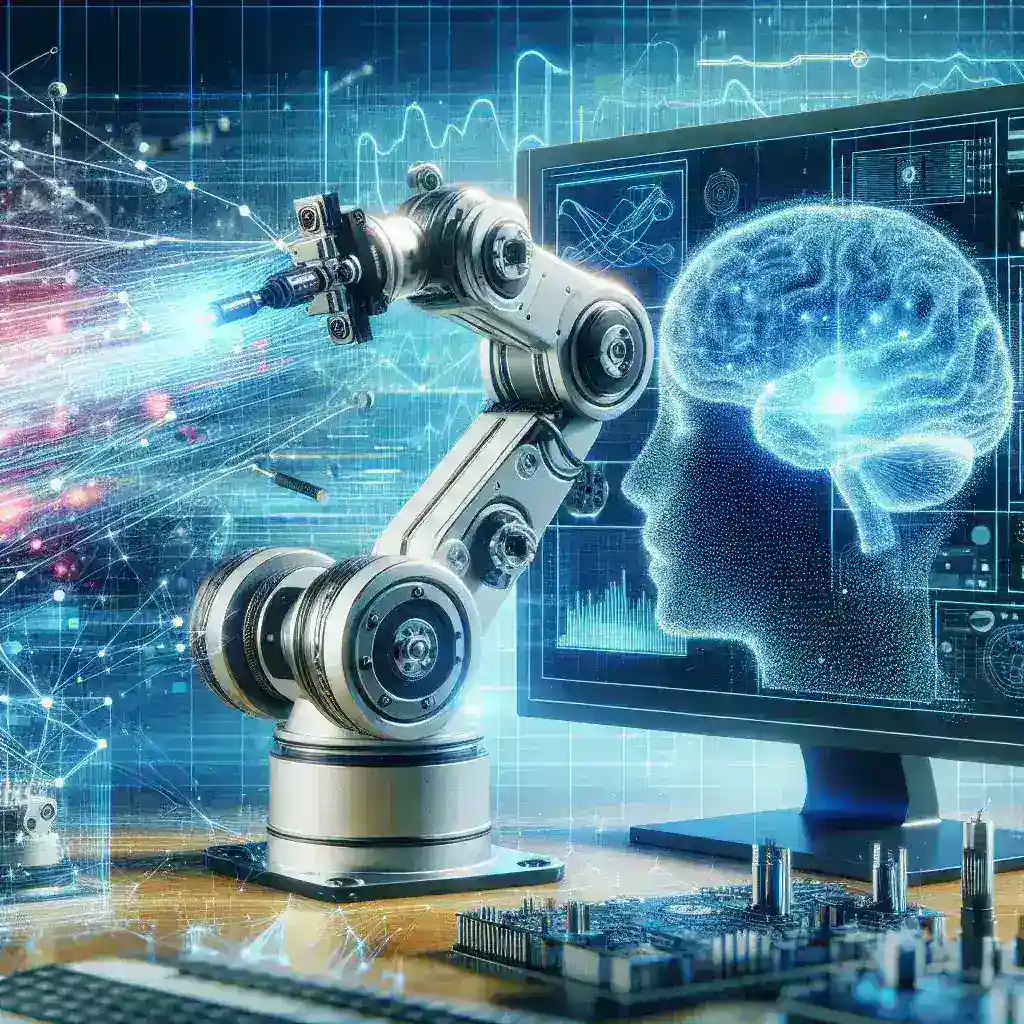
The Evolution of Motion Tracking Technology
In the rapidly advancing world of technology, AI-based motion tracking tools have emerged as game-changing innovations that are reshaping how we analyze, interpret, and utilize human movement data. These sophisticated systems combine artificial intelligence algorithms with advanced sensor technology to create unprecedented accuracy in motion detection and analysis.
The journey from traditional motion capture systems to AI-powered solutions represents a significant leap in technological capabilities. Where conventional methods required extensive hardware setups, controlled environments, and significant manual calibration, modern AI-driven tools can operate with minimal equipment while delivering superior results.
Understanding AI-Powered Motion Detection
At its core, an AI-based motion tracking system utilizes machine learning algorithms to identify, track, and predict movement patterns in real-time. These systems employ various technologies including:
- Computer vision algorithms for visual tracking
- Deep learning neural networks for pattern recognition
- Sensor fusion technology for multi-modal data integration
- Predictive analytics for movement forecasting
- Real-time processing capabilities for immediate feedback
The sophistication of these systems allows them to distinguish between different types of movements, recognize specific gestures, and even predict future actions based on current motion patterns. This level of intelligence makes them invaluable across numerous industries and applications.
Key Components of Modern Motion Tracking Systems
Contemporary AI-based motion tracking tools integrate several critical components that work together seamlessly. The primary elements include advanced cameras or sensors that capture movement data, powerful processing units that run AI algorithms, and sophisticated software platforms that interpret and analyze the collected information.
These systems often incorporate multiple data sources simultaneously, such as visual input from cameras, accelerometer data from wearable devices, and depth information from specialized sensors. This multi-modal approach significantly enhances accuracy and provides more comprehensive movement analysis.
Revolutionary Applications Across Industries
The versatility of AI-based motion tracking technology has led to its adoption across diverse sectors, each leveraging its capabilities for unique purposes and benefits.
Healthcare and Medical Rehabilitation
In healthcare settings, these tools are transforming patient care and rehabilitation processes. Physical therapists use AI-powered motion analysis to assess patient progress, identify movement abnormalities, and customize treatment plans. The technology enables precise measurement of range of motion, gait analysis, and recovery tracking, providing objective data that enhances clinical decision-making.
Medical professionals can now monitor patients remotely, ensuring continuity of care while reducing the need for frequent in-person visits. This capability proved especially valuable during global health challenges when remote monitoring became essential.
Sports Performance and Athletic Training
Professional sports organizations and individual athletes increasingly rely on AI-based motion tracking for performance optimization. These systems analyze technique, identify areas for improvement, and help prevent injuries by detecting potentially harmful movement patterns before they cause damage.
Coaches can access detailed biomechanical data that reveals insights invisible to the naked eye, enabling more targeted training programs and strategic improvements. The technology also supports talent identification and development programs by providing objective performance metrics.
Entertainment and Gaming Industries
The entertainment sector has embraced AI motion tracking for creating more immersive and interactive experiences. Video game developers use these tools for character animation, player interaction systems, and virtual reality applications that respond naturally to user movements.
Film and television production benefits from advanced motion capture capabilities that create realistic digital characters and special effects. The technology enables seamless integration of human performance with computer-generated imagery, pushing the boundaries of visual storytelling.
Technological Advantages and Benefits
AI-based motion tracking tools offer numerous advantages over traditional methods, making them increasingly attractive for various applications. The primary benefits include enhanced accuracy, reduced setup complexity, cost-effectiveness, and real-time processing capabilities.
Accuracy and Precision: Modern AI algorithms can detect subtle movements and patterns that might be missed by conventional systems or human observers. This precision is crucial for applications requiring detailed analysis, such as medical diagnostics or athletic performance evaluation.
Accessibility and Ease of Use: Unlike traditional motion capture systems that require specialized facilities and extensive technical knowledge, AI-based tools can often be deployed using standard equipment like smartphones or webcams, making the technology more accessible to a broader range of users.
Cost Efficiency: The reduced hardware requirements and automated analysis capabilities significantly lower the overall cost of motion tracking implementation, making it feasible for smaller organizations and individual users.
Real-Time Analysis and Feedback
One of the most significant advantages of AI-powered systems is their ability to provide immediate feedback and analysis. This real-time capability enables instant corrections, immediate performance insights, and dynamic adjustments to training or treatment protocols.
The immediate feedback loop creates more engaging and effective learning experiences, whether in rehabilitation settings, sports training, or educational applications. Users can see the results of their movements instantly, facilitating faster improvement and better outcomes.
Challenges and Limitations
Despite their remarkable capabilities, AI-based motion tracking tools face certain challenges and limitations that users and developers must consider. Understanding these constraints is essential for making informed decisions about implementation and expectations.
Privacy and data security concerns represent significant challenges, particularly in healthcare and personal fitness applications. The sensitive nature of movement data requires robust security measures and clear privacy policies to protect user information.
Environmental factors can also impact system performance. Lighting conditions, background complexity, and occlusion issues may affect accuracy in certain situations. Additionally, the need for continuous algorithm training and updates requires ongoing technical support and maintenance.
Technical Limitations and Considerations
Current AI systems may struggle with certain types of complex movements or unusual scenarios that fall outside their training data. Edge cases and unexpected situations can sometimes produce inaccurate results, highlighting the importance of human oversight and validation.
The computational requirements for real-time AI processing can also be substantial, particularly for high-resolution tracking or complex multi-person scenarios. This may necessitate powerful hardware or cloud-based processing solutions.
Future Trends and Innovations
The future of AI-based motion tracking holds tremendous promise, with emerging technologies and research directions pointing toward even more sophisticated capabilities. Advances in artificial intelligence, sensor technology, and computing power continue to push the boundaries of what’s possible.
Integration with augmented reality (AR) and virtual reality (VR) technologies promises to create more immersive and interactive experiences. These combinations will enable new applications in training, education, and entertainment that blur the lines between physical and digital interactions.
The development of more sophisticated AI models, including transformer architectures and advanced neural networks, will likely improve accuracy and enable more complex movement analysis. These improvements will expand the range of applications and increase the reliability of motion tracking systems.
Emerging Technologies and Integration
The convergence of AI motion tracking with other emerging technologies like 5G networks, edge computing, and Internet of Things (IoT) devices will create new possibilities for distributed and ubiquitous motion analysis. These integrations will enable seamless tracking across multiple environments and devices.
Wearable technology integration continues to evolve, with smaller, more powerful sensors providing continuous monitoring capabilities. The combination of visual tracking with wearable sensor data creates comprehensive movement profiles that offer unprecedented insights into human behavior and performance.
Implementation Strategies and Best Practices
Successfully implementing AI-based motion tracking tools requires careful planning and consideration of various factors. Organizations should evaluate their specific needs, technical requirements, and available resources before selecting appropriate solutions.
Pilot projects and proof-of-concept implementations can help organizations understand the technology’s capabilities and limitations in their specific context. This approach allows for refinement of requirements and identification of potential challenges before full-scale deployment.
Training and support considerations are crucial for successful adoption. Users need adequate preparation to effectively utilize these sophisticated tools, and ongoing technical support ensures optimal performance and troubleshooting capabilities.
Conclusion: The Future of Movement Analysis
AI-based motion tracking tools represent a transformative technology that is reshaping how we understand, analyze, and utilize human movement. From healthcare applications that improve patient outcomes to entertainment experiences that captivate audiences, these systems demonstrate the power of artificial intelligence to enhance human capabilities.
As technology continues to advance, we can expect even more sophisticated and accessible motion tracking solutions that will further expand the possibilities for movement analysis. The combination of improved AI algorithms, better sensors, and increased computing power will undoubtedly lead to innovations we can barely imagine today.
Organizations and individuals considering the adoption of AI-based motion tracking tools should carefully evaluate their specific needs and requirements while staying informed about the latest developments in this rapidly evolving field. The investment in understanding and implementing these technologies today will likely provide significant advantages in the increasingly digital future.

Leave a Reply